
Apple September Event 2026: Hardware Announcements, Software Decisions
Connect the September hardware announcements to a focused review of your application’s layout, accessibility, and media handling.
September 2026 Edition
Long-form field notes with reader promises, practical workflows, and honest tradeoffs — written for engineers who want signal, not hype. Claims are labeled when they are judgment, and linked when they are facts.
 Latest field note
AI developer platforms
Separate launch claims from testable outcomes and build a focused evaluation plan for the new models and agent workflows.
Read the latestThe archive
17 more practical reads across AI, infrastructure, developer tools, and product systems.
Connect the September hardware announcements to a focused review of your application’s layout, accessibility, and media handling.
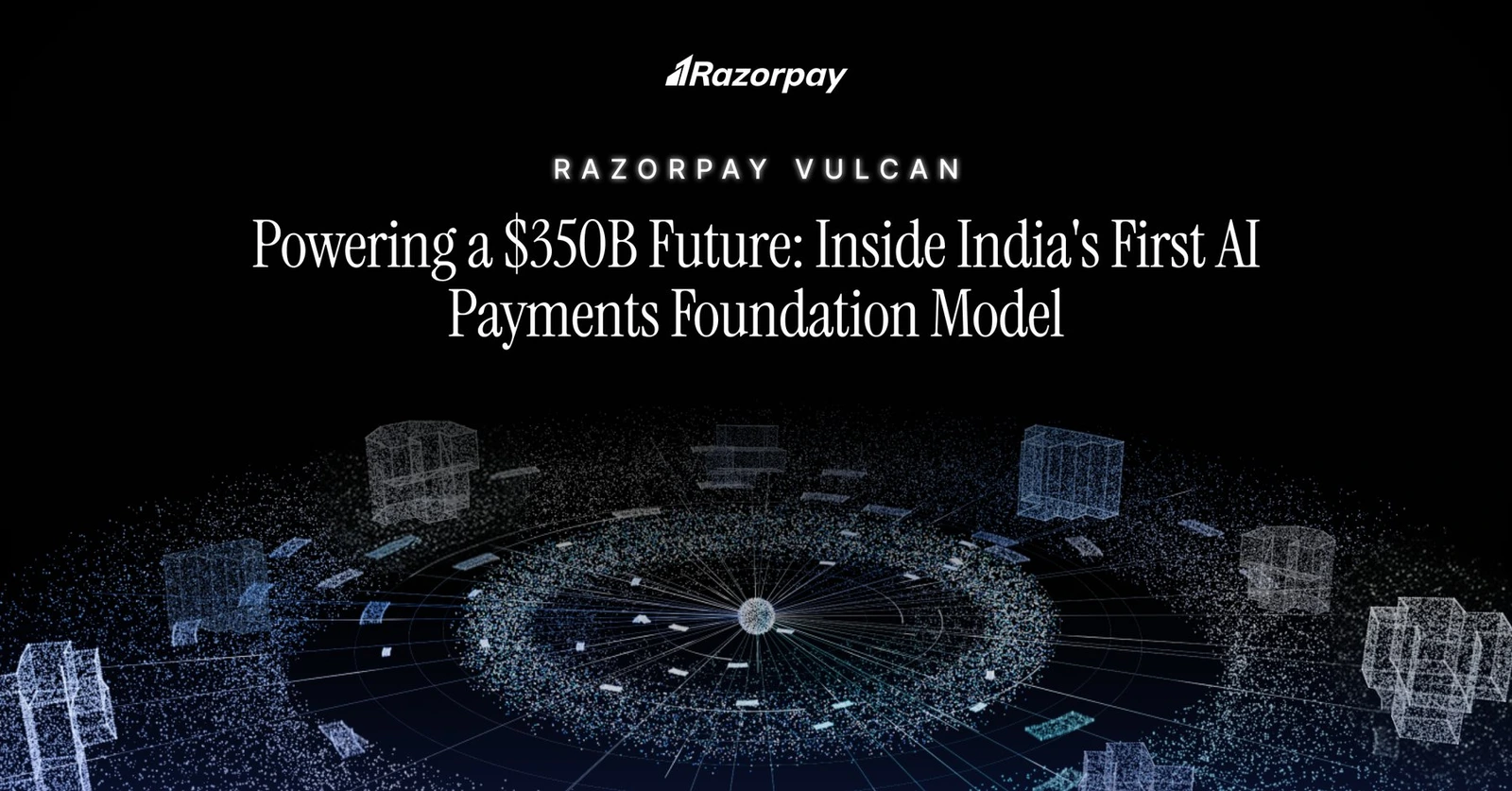
You will understand how Razorpay tokenized 4 billion payment transactions, how Vulcan unifies fragmented routing, fraud, risk, and checkout personalization into a single foundation model, and the systems engineering behind financial transformers.
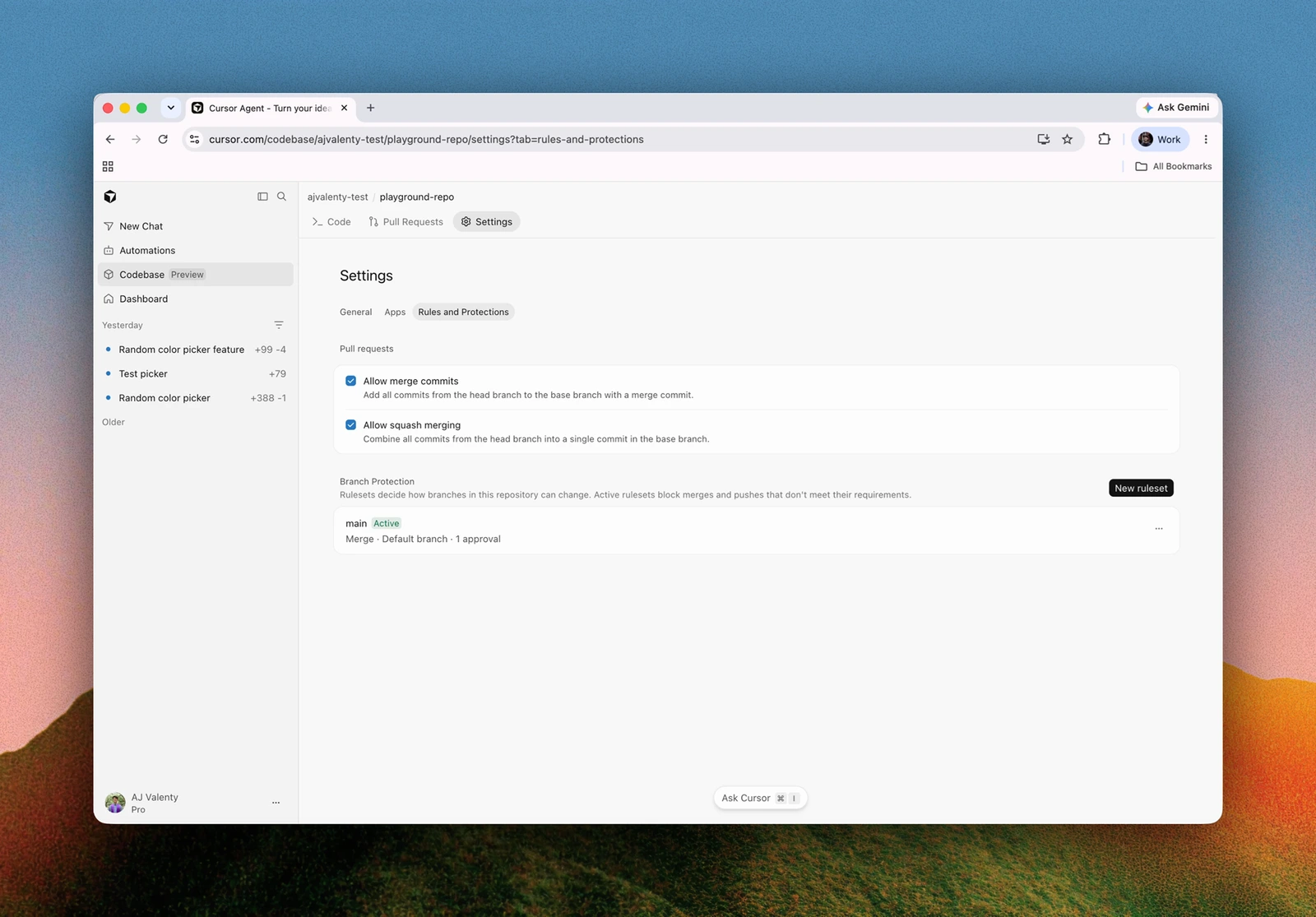
You will learn what Origin actually supports, which forge owns a mirrored repository, and how to pilot agent work without assuming integration parity.
You will leave with a clear split between the model (Grok 4.5) and the harness (Grok Build), plus a routing checklist for when each belongs in your agent loop.
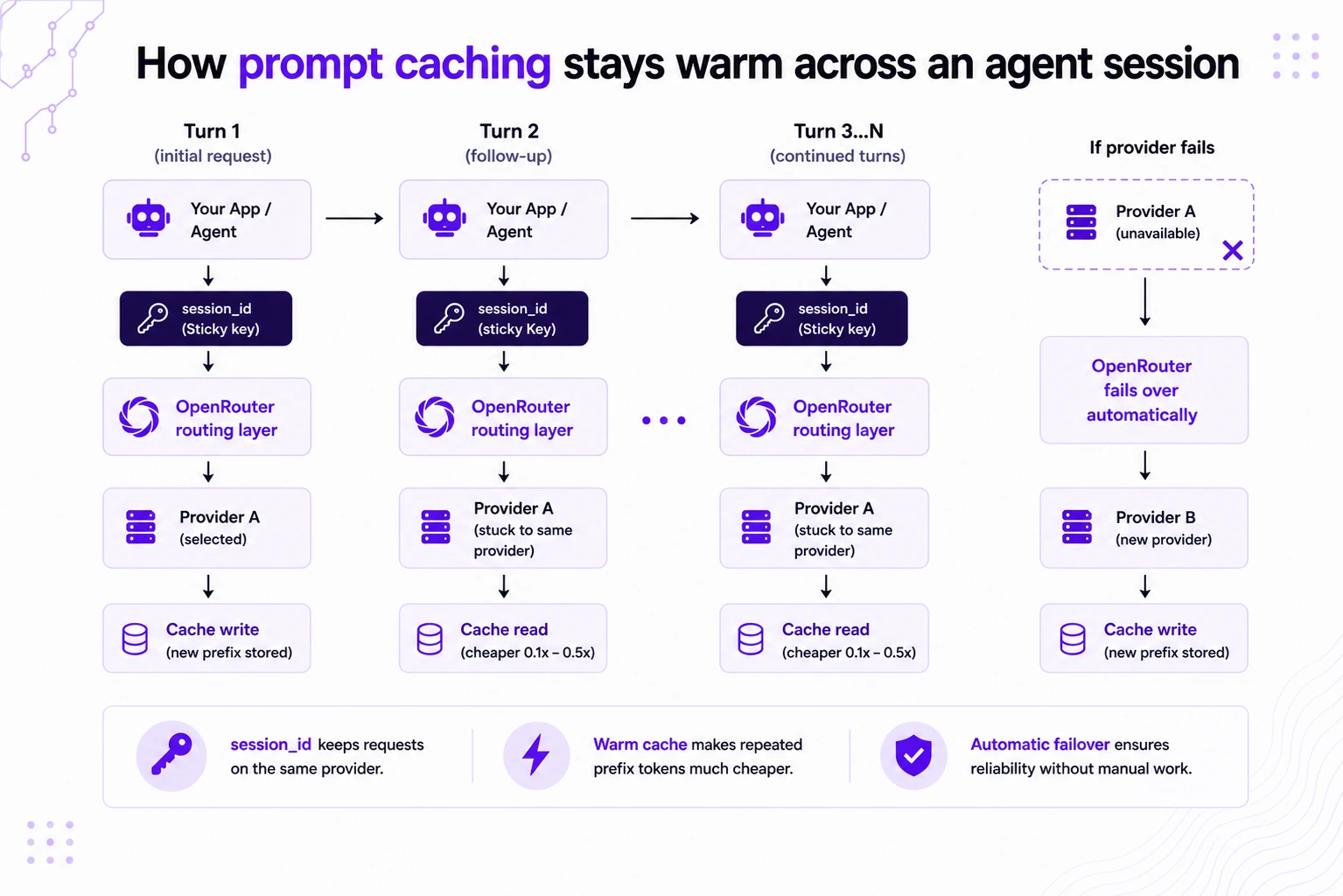
You will get a concrete routing policy—primary, fallback, free-chain, and sticky sessions—instead of another model beauty contest.
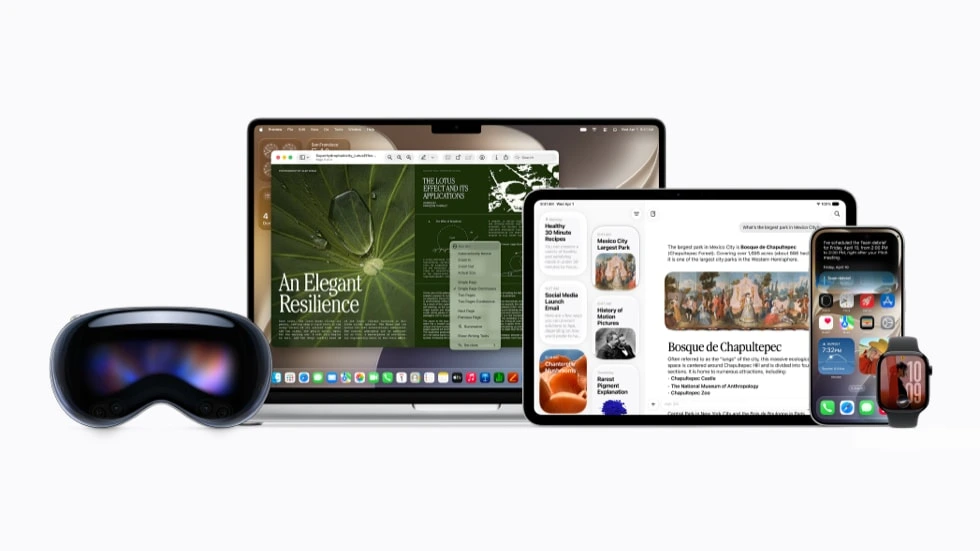
You will see what developers should expose to Siri AI: entities, schemas, confirmations, and calm automations—grounded in Apple’s public WWDC26 materials, not invented APIs.
You will get a practical model for turning source-grounded AI into a research workflow—without treating new agent features as a license to skip primary reading.
You will leave with a clear map for splitting AI work between browser tools, local helpers, and cloud agents—without treating the keynote as a shipping checklist.

You will understand why the feed is a pipeline problem before it is a ranking-model problem—and how Phoenix fits that pipeline.

You will get a grounded way to read anthropic arguments without confusing speculation for safety work.
You will understand Apple as an operating discipline: integration, restraint, defaults, and ecosystem leverage.
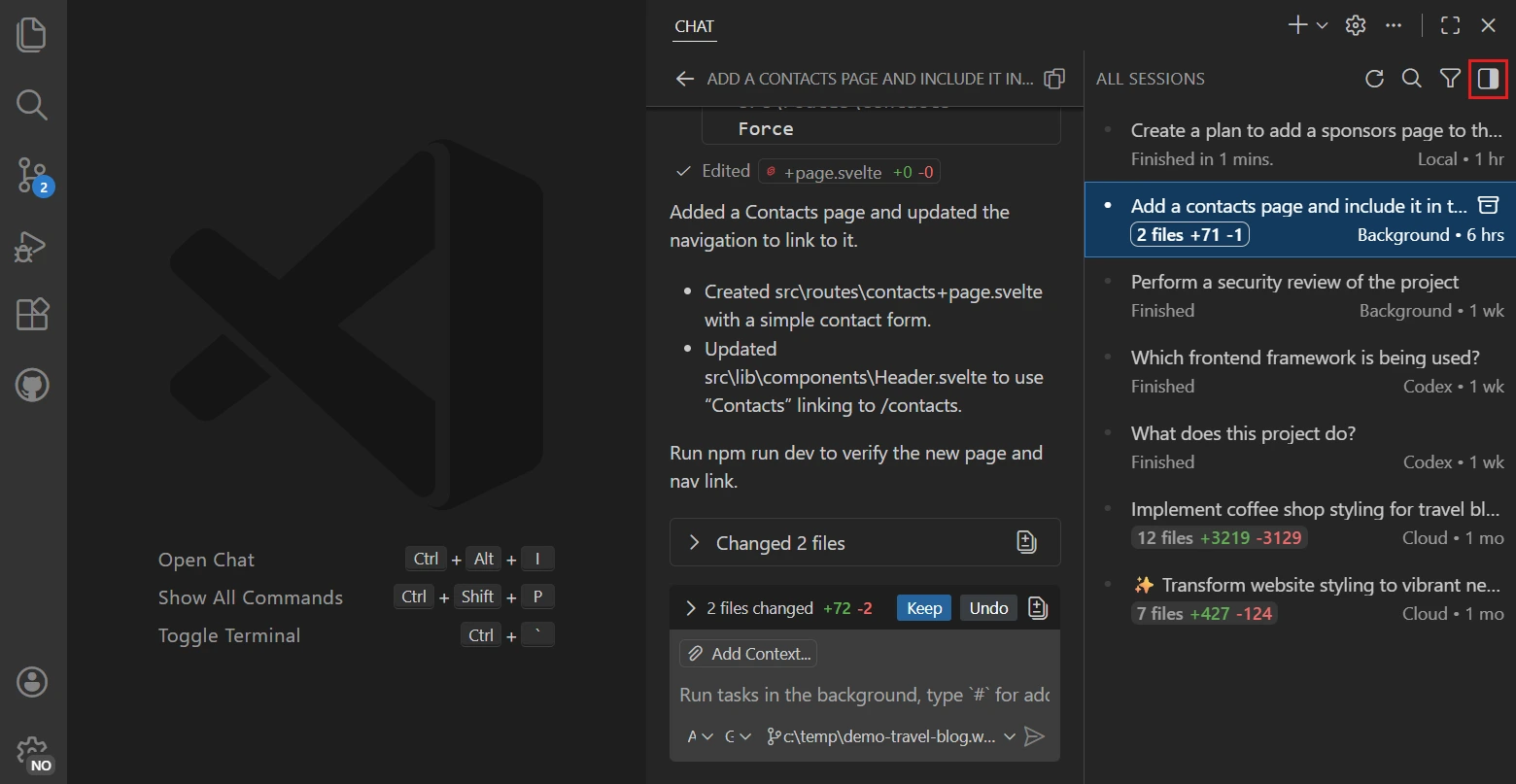
You will get a daily-driver workflow for using AI coding tools without losing engineering discipline.
You will get a sharper lens for comparing AI ecosystems without reducing everything to model leaderboards.
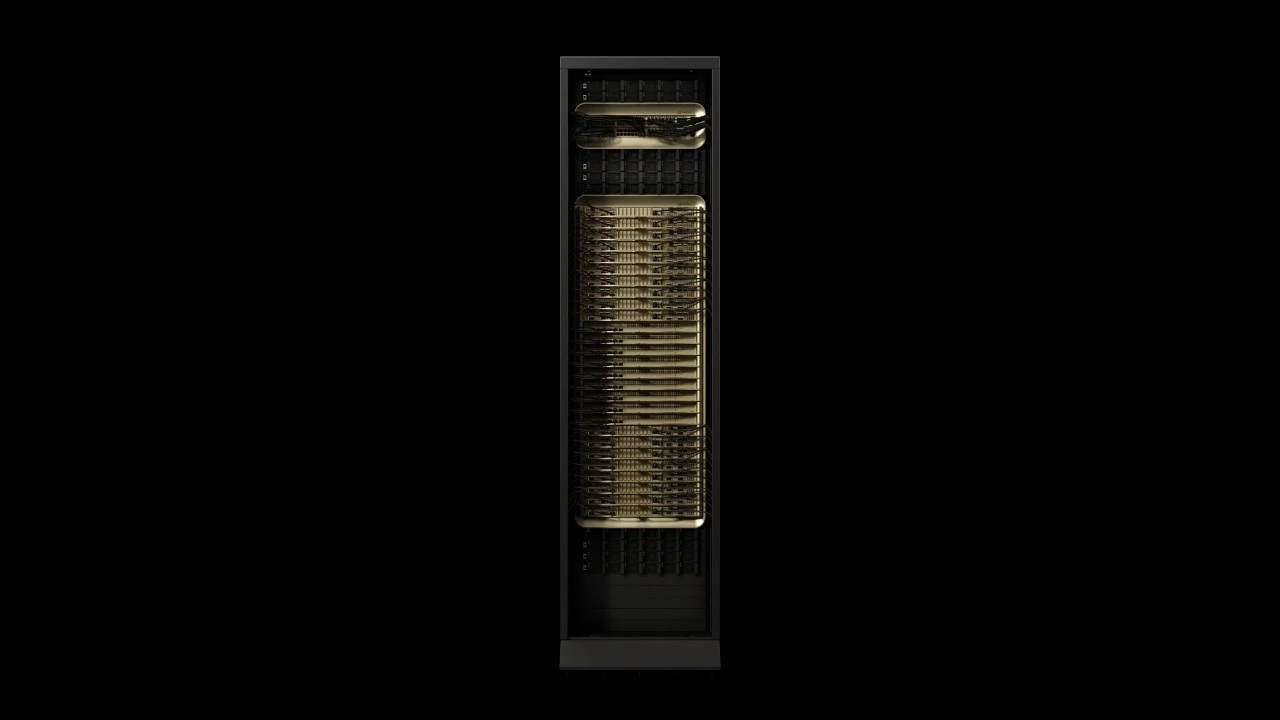
You will see why NVIDIA’s moat is the full execution path, not only the chip.
You will learn how voice input becomes a serious workflow tool when it captures intent—and when privacy settings match how the audio actually flows.
You will get a practical checklist for evaluating OpenClaw-like agents without getting distracted by autonomy hype or star-count theater.
You will see how AI becomes useful when it appears inside existing surfaces instead of demanding a separate destination.