
April · saura · sankranti
Solar New Year
मेष संक्रांति
Tuesday, 14 April 2026
Mesha Sankranti — Puthandu, Vishu, Vaisakhi, Poila Boishakh cousins
How to read this page: Katha = scripture / oral tradition. Living practice and temple notes = custom that varies by place. Civil dates move with the panchanga — confirm locally when a tithi straddles two sunrises.
When the Sun enters Mesha — many New Years under one sky
Tamil Puthandu, Kerala Vishu, Punjabi Vaisakhi, Bengali Poila Boishakh, Odia Pana Sankranti, and Assamese Bohag Bihu cluster around mid-April’s solar turn.
Origin / katha
Tradition — Purāṇa, itihāsa, or oral mahātmya — not a dated news report
Solar sankranti lore praises Surya’s ordered path. Harvest thanksgiving and community feasts grow from that sky-clock. Regional founding myths differ; the shared fact is the solar year.
Living practice
How people actually keep the day
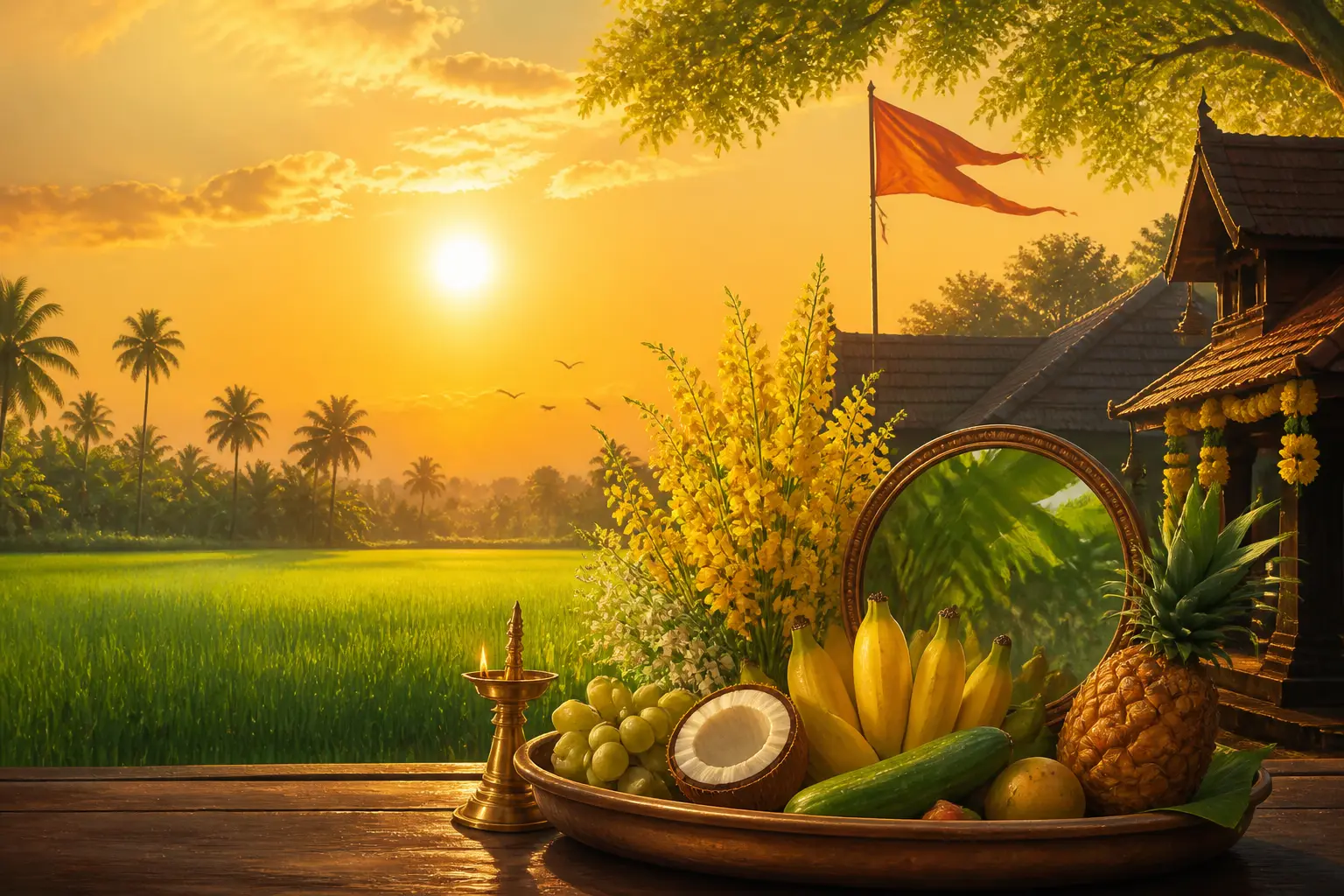
Vishu kani arrangements, Puthandu mango-pachadi, Vaisakhi harvest gatherings and Sikh Khalsa remembrance on nearby days, Bengali cultural processions. Food and first-sight rituals matter more than a single temple script.
In the temple
What a first-time visitor usually meets
Surya and local gramadevata shrines see morning visitors. In Kerala, the first auspicious sight at home can matter as much as the temple visit.
Do
- Learn your region’s name for the day and a neighbour’s name too
- Share a harvest dish if you can
Don’t
- Do not collapse Sikh Vaisakhi history into only a Hindu harvest note — both can be honoured with care
- Do not skip sun-safety at outdoor melas
Fun facts
- This solar cluster is independent of Ugadi’s lunisolar pratipada.
- Baisakhi harvest fairs historically doubled as labour and community markets.
Regions
Tamil Nadu · Kerala · Punjab · Bengal · Odisha · Assam
Keep learning on Hind AI
Sources
- Mesha Sankranti / regional solar New Year customs
- 2026 Mesha Sankranti listings (14 Apr)